

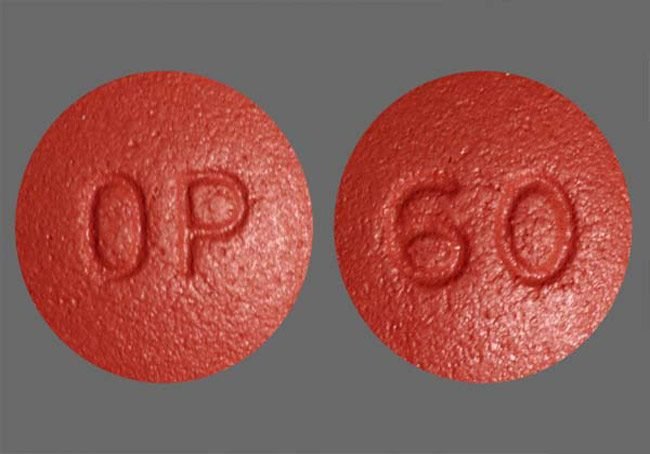
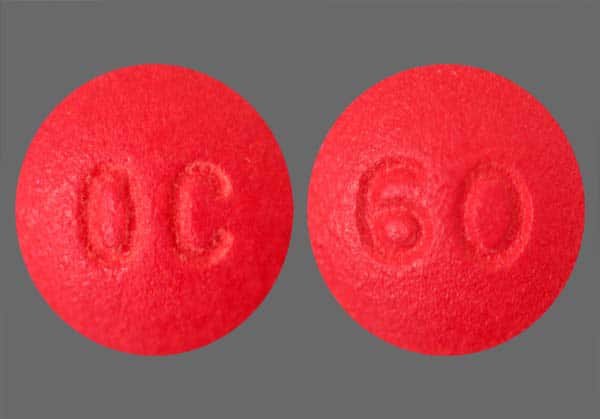
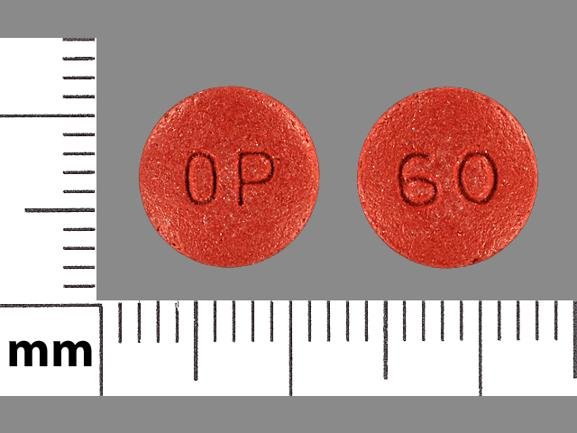




⚠️ OxyContin OP 60mg Tablets: Critical Safety Alert
OxyContin (oxycodone hydrochloride controlled-release) 60mg is a very high-dose, extended-release prescription opioid intended only for opioid-tolerant patients with severe, around-the-clock pain. This potency level carries extreme risks of overdose and death.
1. 🧪 Drug Profile & Potency
-
Generic Name: Oxycodone hydrochloride
-
Formulation: Extended-release (ER) tablet with abuse-deterrent properties (designated “OP”).
-
Potency: Oxycodone is approximately 1.5 times stronger than morphine. A 60mg tablet is a very high dose.
-
Purpose: Only for patients already tolerant to equivalent opioid doses (e.g., ≥120mg oral morphine/day).
2. ⚠️ Extreme Risks & Black Box Warnings
-
HIGH OVERDOSE POTENTIAL: This dose can cause fatal respiratory depression (slowed or stopped breathing), especially in non-tolerant individuals.
-
ABUSE AND ADDICTION: High potential for abuse, addiction, and dependence.
-
LIFE-THREATENING INTERACTIONS: Combining with alcohol, benzodiazepines, or other CNS depressants drastically increases risk of death.
-
ABUSE-DETERRENT (But Not Abuse-Proof): The “OP” formulation is designed to be difficult to crush for snorting or injecting, but determined attempts can still lead to rapid release and fatal overdose.
3. 🚨 Critical Safety Information
-
ONLY for Opioid-Tolerant Patients: Never for opioid-naïve individuals. Even a single tablet can be lethal.
-
Swallow Whole: Never crush, chew, break, or dissolve—this can cause rapid release of a fatal dose.
-
Dangerous Interactions: Avoid alcohol, benzodiazepines, sleep aids, muscle relaxants, and other opioids.
-
Storage: Keep in a locked container to prevent theft, misuse, or accidental ingestion.
4. ✅ Safe Use Guidelines (For Prescribed Patients Only)
-
Take exactly as prescribed—do not increase dose or frequency.
-
Do not stop abruptly—taper under medical supervision to avoid severe withdrawal.
-
Recognize Overdose Signs:
-
Slow/shallow breathing or breathing stops
-
Extreme drowsiness/inability to wake
-
Pinpoint pupils
-
Cold/clammy skin, blue lips/fingernails
-
How to take OxyContin?
Read the available medication guide before you start taking OxyContin, and each time you get a refill. If you have any queries regarding how to take OxyContin, you can consult your medical healthcare provider. Take OxyContin regularly as per your doctor’s directions, not as needed for breakthrough pain. Doctors recommend taking this drug with or without food, usually within every 12 hours. If you have nausea, your medical healthcare provider may consult you to take it with food. You may use other ways to decrease nausea, such as lying down for an hour or two with minimum possible head movements. Swallow the whole tablet without crushing, chewing, breaking, or dissolving it because doing so can release all the drug in the body at a time leading to an increase in the risk of OxyContin overdose. To reduce the chance of choking or trouble swallowing tablets:
- Take only one pill at a time if your dose is more than one pill.
- Do not wet, lick, or pre-soak the tablet before placing it in your mouth.
- Ensure to drink sufficient water to swallow it entirely.
Before you start taking this medication, ask your medical healthcare provider if you should start or stop taking other opioids. Other pain relievers like acetaminophen and ibuprofen can also be under prescription. If you suddenly stop taking this medicine, you may face withdrawal symptoms such as:
- Trouble sleeping
- Anxiety
- Suicidal thoughts
- Nausea
- Runny nose
- Watering eyes
- Sweating
- Diarrhea
- Muscle aches
- Sudden changes in behavior

OxyContin dosage
Your OxyContin dosage will depend upon your age, the severity of your medical condition, your initial response to the treatment with OxyContin, other medical conditions (if you have any), and other medications you take. The usual initial dosage of OxyContin for adults should be 10 mg within every 12 hours. OxyContin is not under the recommendation for use by anyone younger than 11 years.
Overdose
In case of an overdose of OxyContin, take medical help promptly or call the Poison helpline at 1-800-FDA-1088. An OxyContin overdose can be deadly, especially in a child or someone taking it without a prescription. Overdose symptoms of OxyContin may include slow breathing, severe drowsiness, pinpoint pupils, or no breathing.
What to avoid while using OxyContin?
Avoid eating grapefruit or taking any grapefruit product in liquid form while using OxyContin unless your medical healthcare provider says you may do so safely. Grapefruit can make an increment in the risk of side effects with this medicine. Avoid consumption of alcohol because it can result in dangerous side effects, or death could occur. Also, avoid medication errors. Before buying OxyContin, have a look at the brand and strength of Oxycodone you are putting into your cart.
OxyContin side effects
Take instant medical help if you have an allergic reaction due to the use of OxyContin. An allergic reaction sign may include trouble breathing, hives, and swelling of your face, throat, lips, or tongue. OxyContin’s common side effects may include headache, drowsiness, tiredness, dizziness, stomach pain, constipation, vomiting, and nausea. Opioid medicines like OxyContin can slow down or stop your breathing which may cause death. Your attendant or caregiver should give you naloxone and seek urgent medical attention if you have blue-colored lips, slow breathing with long pauses, or if you find it hard to wake up. Call your doctor immediately if you have:
- Weak pulse or slow heart rate;
- Shallow breathing, sighing, noisy breathing, breathing that stops during sleep;
- Seizure;
- A light-headed feeling;
- Unusual thoughts or behavior, confusion;
- High serotonin levels in the body- hallucinations, agitation, sweating, fever, rapid heart rate, shivering, twitching, muscle stiffness, nausea, loss of coordination, diarrhea, vomiting; or
- Low cortisol levels- vomiting, nausea, dizziness, loss of appetite, worsening weakness or tiredness
Keep in mind that it is not a complete list of possible side effects, and others may occur. For further information regarding side effects, consult your medical healthcare provider. You may report any new side effects varying from the list mentioned above to the FDA at 1-800-FDA-1088.
What drugs can interact with OxyContin?
You may have withdrawal symptoms or breathing problems if you take certain other medicines. Tell your medical healthcare provider if you also use antifungal medication, antibiotics, seizure medication, blood pressure or heart treatment, or medicine to treat hepatitis C or HIV. OxyContin can interact with various other drugs and cause fatal side effects. Ensure that your doctor knows if you also use:
- Medicines for overactive bladder, irritable bowel syndrome, or motion sickness;
- Bronchodilator asthma or COPD (chronic obstructive pulmonary disease) medication, cold or allergy medicines, or a diuretic “water pill”;
- A sedative like Valium- Versed, Klonopin, Xanax, lorazepam, alprazolam, diazepam, and others;
- Other opioids- prescription cough medicine or opioid pain drug;
- Drugs that affect serotonin levels- a stimulant or medicine for nausea and vomiting, serious infections, migraine headaches, depression, or Parkinson’s disease;
- Drugs that cause sleepiness or slow down your breathing- medicine to treat mood changes or mental illness, a sleeping pill, a muscle relaxer.
| Quantity | 60 pills, 120 pills, 180 pills, 240 pills, 300 pills |
|---|
Be the first to review “Oxycontin OP 60mg Tablets”
Related products


Pain Killers Medications
Pain-O-Soma 500mg Tablets: Safety Information Pain-O-Soma (generic name: Carisoprodol) is a prescription muscle relaxant used for the relief of discomfort associated with acute, painful musculoskeletal conditions. It is typically prescribed for short-term use (up to 2-3 weeks). 1. 🧪 Drug Profile Generic Name: Carisoprodol Drug Class: Centrally-acting muscle relaxant Metabolite: It is metabolized in the liver to meprobamate, a controlled substance [...]
This product has multiple variants. The options may be chosen on the product page
Pain Killers Medications
Norco 5/325mg: Important Safety Information Norco is a prescription-only combination opioid medication used for the management of moderate to moderately severe pain. It is a Schedule II controlled substance in the United States due to its high potential for abuse, addiction, and overdose. 1. 🧪 Active Ingredients & Purpose Hydrocodone Bitartrate (5mg): A semi-synthetic opioid agonist that works in [...]
This product has multiple variants. The options may be chosen on the product page
Pain Killers Medications
Percocet 2.5/325mg Tablets: Safety Information Percocet is a combination prescription medication containing two active ingredients: oxycodone (an opioid pain reliever) and acetaminophen (a non-opioid pain reliever and fever reducer). The 2.5/325mg strength is a lower-dose formulation used for the management of mild to moderate pain. 1. 🧪 Drug Profile Oxycodone Hydrochloride: 2.5mg — A semi-synthetic opioid agonist. Acetaminophen: 325mg — A non-opioid analgesic. Purpose: Provides relief through two [...]
This product has multiple variants. The options may be chosen on the product page
Pain Killers Medications
Mylan Fentanyl Patches: Severe Chronic Pain Management Mylan fentanyl transdermal patches are a potent opioid delivery system designed for patients with severe, around-the-clock chronic pain who are already opioid-tolerant. This Schedule II controlled substance requires extreme caution and professional medical supervision. Critical Safety Notice: Fentanyl is 50-100 times more potent than morphine. These patches are: Not [...]
This product has multiple variants. The options may be chosen on the product page

Pain Killers Medications
Percocet 2.5/325mg Tablets: Safety Information Percocet is a combination prescription medication containing two active ingredients: oxycodone (an opioid pain reliever) and acetaminophen (a non-opioid pain reliever and fever reducer). The 2.5/325mg strength is a lower-dose formulation used for the management of mild to moderate pain. 1. 🧪 Drug Profile Oxycodone Hydrochloride: 2.5mg — A semi-synthetic opioid agonist. Acetaminophen: 325mg — A non-opioid analgesic. Purpose: Provides relief through two [...]
This product has multiple variants. The options may be chosen on the product page
Pain Killers Medications
OxyContin OC 80mg Tablets OxyContin (oxycodone hydrochloride controlled-release) 80mg is a high-dose, extended-release prescription opioid intended only for opioid-tolerant patients with severe, around-the-clock pain. This potency level carries extreme risks. 1. 🧪 Drug Profile & Potency Generic Name: Oxycodone hydrochloride Formulation: Extended-release (ER) tablet designed to release medication slowly over 12 hours. Potency: Oxycodone is approximately 1.5 times stronger than morphine. An 80mg tablet is a very [...]
This product has multiple variants. The options may be chosen on the product page
Pain Killers Medications
OxyContin OP 10mg Tablets: Safety Information OxyContin (oxycodone hydrochloride controlled-release) is a powerful prescription opioid analgesic. The OP 10mg tablet is an extended-release formulation used for the management of moderate to severe pain requiring around-the-clock treatment. The “OP” designation indicates a newer abuse-deterrent formulation. 1. 🧪 Drug Profile Generic Name: Oxycodone hydrochloride Formulation: Extended-release (ER) tablet with abuse-deterrent properties (difficult to crush, [...]

Pain Killers Medications
⚠️ OxyContin OP 40mg Tablets: Critical Safety Alert OxyContin (oxycodone hydrochloride controlled-release) 40mg is a high-dose, extended-release prescription opioid intended only for opioid-tolerant patients with severe, around-the-clock pain. This potency level carries extreme risks. 1. 🧪 Drug Profile & Potency Generic Name: Oxycodone hydrochloride Formulation: Extended-release (ER) tablet with abuse-deterrent properties (designated “OP”). Potency: Oxycodone is approximately 1.5 times stronger than morphine. A 40mg tablet is [...]
This product has multiple variants. The options may be chosen on the product page
Reviews
There are no reviews yet.