

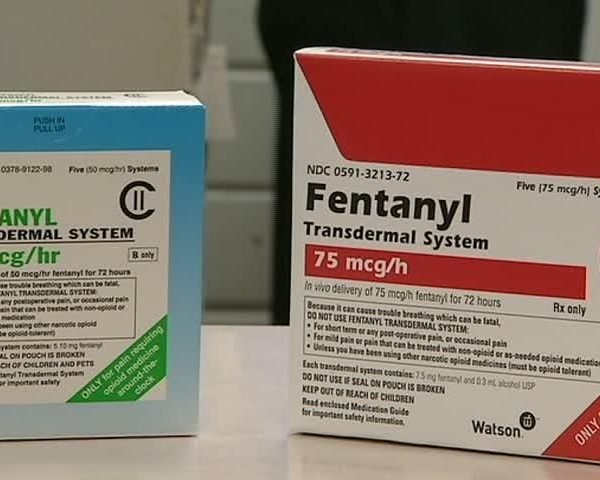
Fentanyl Transdermal Patch 75mcg/hr: Medical Use and Safety Guide
Fentanyl transdermal patches 75mcg/hr are a potent opioid delivery system designed for patients with chronic, around-the-clock pain requiring continuous opioid management.
Medical Indications and Purpose
-
Approved Use: Management of persistent, moderate-to-severe chronic pain
-
Patient Criteria: Opioid-tolerant patients only (≥60mg oral morphine/day equivalent)
-
Pain Types: Typically for cancer pain, chronic neuropathic pain, or end-stage conditions
-
Administration: Continuous 72-hour transdermal delivery
Dosage and Pharmacokinetics
-
Delivery Rate: 75 micrograms per hour continuously
-
Therapeutic Onset: 12-24 hours after initial application
-
Steady State: Achieved after approximately 3-6 days
-
Duration: Designed for 72-hour wear time
-
Absorption: Continues for 24+ hours after patch removal
Critical Safety Information
Black Box Warnings:
-
Life-threatening respiratory depression
-
Accidental exposure can be fatal
-
Not for acute/post-operative pain
-
Not for opioid-naïve patients
Application Guidelines:
-
Apply to intact, non-irritated skin on upper body
-
Rotate application sites between doses
-
Avoid heating pads or direct heat sources
-
Ensure firm adhesion for full 72 hours
Serious Risks and Side Effects
Common Side Effects:
-
Nausea and constipation
-
Drowsiness and dizziness
-
Local skin reactions
-
Sweating and dry mouth
Serious Adverse Effects:
-
Respiratory depression
-
Hypotension and bradycardia
-
Adrenal insufficiency
-
Serotonin syndrome (with concurrent serotonergic drugs)
Patient Safety Instructions
Proper Use:
-
Use exactly as prescribed – never increase dosage frequency
-
Never cut or damage the patch
-
Wash hands after application
-
Dispose of used patches properly (fold sticky sides together)
Emergency Signs Requiring Medical Help:
-
Slow or difficult breathing
-
Extreme drowsiness or confusion
-
Fainting or dizziness
-
Slow heartbeat
Important Contraindications
-
Not for postoperative pain management
-
Not for mild or intermittent pain
-
Contraindicated in patients with:
-
Significant respiratory depression
-
Acute or severe bronchial asthma
-
Known gastrointestinal obstruction
-
Drug Interactions
Dangerous Combinations:
-
Other opioid analgesics
-
Benzodiazepines and sedatives
-
Alcohol and CNS depressants
-
MAO inhibitors (within 14 days)
-
Certain antibiotics and antifungals
Overdose Management
Recognize Symptoms:
-
Respiratory depression/arrest
-
Extreme drowsiness progressing to coma
-
Pinpoint pupils
-
Cold, clammy skin
Emergency Response:
-
Remove patch immediately
-
Call 911 for emergency medical help
-
Administer naloxone if available
-
Provide respiratory support
Storage and Handling
-
Store at room temperature
-
Keep away from children and pets
-
Dispose of properly to prevent accidental exposure
-
Never share with another person
Special Populations
Use with Extreme Caution in:
-
Elderly patients (increased sensitivity)
-
Patients with renal/hepatic impairment
-
Those with chronic pulmonary disease
-
Patients with brain tumors or head injuries
| Quantity | 25 Patches, 50 Patches, 100 Patches, 250 Patches, 500 Patches |
|---|
Be the first to review “Fentanyl Patch 75mcg/hr”
Related products

Pain Killers Medications
Mylan Fentanyl Patches: Severe Chronic Pain Management Mylan fentanyl transdermal patches are a potent opioid delivery system designed for patients with severe, around-the-clock chronic pain who are already opioid-tolerant. This Schedule II controlled substance requires extreme caution and professional medical supervision. Critical Safety Notice: Fentanyl is 50-100 times more potent than morphine. These patches are: Not [...]
This product has multiple variants. The options may be chosen on the product page
Pain Killers Medications
OxyContin OP 10mg Tablets: Safety Information OxyContin (oxycodone hydrochloride controlled-release) is a powerful prescription opioid analgesic. The OP 10mg tablet is an extended-release formulation used for the management of moderate to severe pain requiring around-the-clock treatment. The “OP” designation indicates a newer abuse-deterrent formulation. 1. 🧪 Drug Profile Generic Name: Oxycodone hydrochloride Formulation: Extended-release (ER) tablet with abuse-deterrent properties (difficult to crush, [...]

Pain Killers Medications
Vicodin 5/500mg Tablets: Effective Pain Relief Vicodin 5/500mg tablets provide reliable relief for moderate to moderately severe pain when alternative treatments are insufficient. Each tablet contains 5mg hydrocodone bitartrate and 500mg acetaminophen in a balanced formulation. Key Features: Dual-action formula addresses pain through complementary mechanisms Hydrocodone provides central nervous system pain relief Acetaminophen offers additional [...]
This product has multiple variants. The options may be chosen on the product page

Pain Killers Medications
Percocet 2.5/325mg Tablets: Safety Information Percocet is a combination prescription medication containing two active ingredients: oxycodone (an opioid pain reliever) and acetaminophen (a non-opioid pain reliever and fever reducer). The 2.5/325mg strength is a lower-dose formulation used for the management of mild to moderate pain. 1. 🧪 Drug Profile Oxycodone Hydrochloride: 2.5mg — A semi-synthetic opioid agonist. Acetaminophen: 325mg — A non-opioid analgesic. Purpose: Provides relief through two [...]
This product has multiple variants. The options may be chosen on the product page
Pain Killers Medications
OxyContin OC 5mg Tablets: Safety Information OxyContin (oxycodone hydrochloride controlled-release) is a powerful prescription opioid analgesic. The 5mg tablet is an extended-release formulation used for the management of moderate to severe pain requiring around-the-clock treatment. 1. 🧪 Drug Profile Generic Name: Oxycodone hydrochloride Formulation: Extended-release (ER) tablet designed to release medication slowly over 12 hours. Potency: Oxycodone is approximately 1.5 times stronger than morphine. [...]
This product has multiple variants. The options may be chosen on the product page
Pain Killers Medications
Tramadol-Acetaminophen 37.5/325mg Tablets: Dual-Action Pain Relief Tramadol-acetaminophen combination tablets provide comprehensive pain management for moderate to moderately severe pain. Each tablet contains 37.5mg of tramadol hydrochloride and 325mg of acetaminophen, offering two complementary mechanisms of pain relief. Key Benefits: Dual-mechanism action: Tramadol works on opioid receptors and neurotransmitter systems while acetaminophen provides additional pain relief [...]
This product has multiple variants. The options may be chosen on the product page

Pain Killers Medications
⚠️ OxyContin OP 60mg Tablets: Critical Safety Alert OxyContin (oxycodone hydrochloride controlled-release) 60mg is a very high-dose, extended-release prescription opioid intended only for opioid-tolerant patients with severe, around-the-clock pain. This potency level carries extreme risks of overdose and death. 1. 🧪 Drug Profile & Potency Generic Name: Oxycodone hydrochloride Formulation: Extended-release (ER) tablet with abuse-deterrent properties (designated “OP”). Potency: Oxycodone is approximately 1.5 times stronger than morphine. [...]

Pain Killers Medications
Norco 5/325mg: Important Safety Information Norco is a prescription-only combination opioid medication used for the management of moderate to moderately severe pain. It is a Schedule II controlled substance in the United States due to its high potential for abuse, addiction, and overdose. 1. 🧪 Active Ingredients & Purpose Hydrocodone Bitartrate (5mg): A semi-synthetic opioid agonist that works in [...]
This product has multiple variants. The options may be chosen on the product page
Reviews
There are no reviews yet.